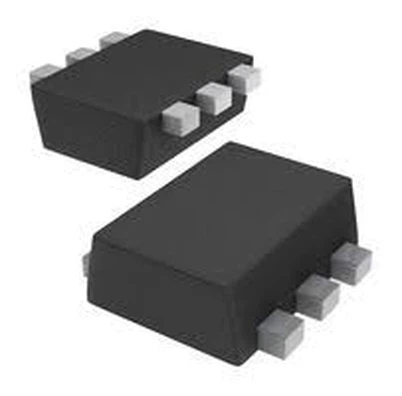
What is the function of diodes in laser therapy equipment?
Leave a message
一, Technical principle: precise conversion of electrical energy to light energy
Laser diode is a light emitting device based on the principle of stimulated radiation of semiconductor PN junction. When a forward current passes through a PN junction, electrons transition from the conduction band to the valence band, recombine with holes, and release energy to form photons. These photons are repeatedly reflected and amplified within the resonant cavity, ultimately forming a laser beam with high monochromaticity, directionality, and coherence. The core of this process lies in:
Carrier recombination: The recombination efficiency of electrons and holes directly affects the laser output power, and the band structure needs to be optimized through material doping (such as GaAs, InP).
Resonant cavity design: Control the photon oscillation path through coated mirrors to ensure laser wavelength stability and energy concentration.
Thermal management: Laser diodes generate heat during operation, and temperature stability needs to be maintained through thermoelectric cooling (TEC) or air cooling systems to avoid wavelength drift and power attenuation.
Taking the 650nm red laser diode commonly used in clinical practice as an example, its conversion efficiency from electrical energy to light energy can reach over 40%, far higher than traditional light sources, providing a technical basis for the miniaturization and portability of therapeutic devices.
二, Wavelength characteristics: precise matching of penetration depth and tissue absorption
The wavelength range of laser diodes covers 308nm to 1470nm, and different wavelengths correspond to different tissue penetration depths and absorption characteristics, directly determining their clinical application scenarios
The main application of wavelength penetration depth
650nm 0.5-1mm epidermal repair, wound healing, acne removal, and removal of red blood streaks (peak hemoglobin absorption)
808nm 2-3cm muscle pain, arthritis, soft tissue injury (penetrating into the muscle layer to promote blood circulation)
980nm 1-2cm vascular closure and varicose vein treatment (peak water absorption, achieving precise vaporization)
1470nm 0.8-1.2mm ear, nose, and throat surgery (such as tonsillectomy), hemorrhoid treatment (high water absorption rate, reduced bleeding)
For example, in the treatment of oral ulcers, 650nm laser promotes cell ATP synthesis, accelerates epithelial cell proliferation, and shortens healing time by more than 50%; In hemorrhoid surgery, the high water absorption characteristics of 1470nm laser can achieve synchronous completion of "cutting+coagulation", reducing postoperative bleeding by 80%.
三, Clinical application: Full scene coverage from pain management to minimally invasive surgery
The technological advantages of laser diodes have led to a diversified trend in their application in the medical field
1. Rehabilitation therapy: non-invasive pain management
Low power (0.05-0.3J/cm ²) 650nm or 808nm lasers suppress the release of inflammatory factors, reduce nerve endings excitability, and alleviate chronic pain such as cervical spondylosis and lumbar muscle strain through photobiological stimulation effects. Clinical data shows that the effective rate of 808nm laser treatment for arthritis is 82%, and there are no drug side effects.
2. Skin beauty: precise energy control
High power (1-5W) near-infrared lasers (such as 808nm, 980nm) target the destruction of melanin in hair follicles through selective photothermal action, achieving permanent hair removal; Low power red light laser promotes collagen synthesis, improves skin elasticity, and reduces wrinkles.
3. Surgical procedures: the fusion of minimally invasive and precise techniques
1470nm laser is widely used in otolaryngology, urology, and proctology surgeries due to its high water absorption rate. For example, in tonsillectomy, the 1470nm laser can accurately vaporize diseased tissue, while sealing blood vessels, reducing the surgical time to one-third of traditional methods and reducing postoperative infection rates by 60%.
4. Adjuvant treatment for chronic diseases: expanded application of photochemical effects
650nm low-intensity laser reduces blood viscosity through photochemical action, assisting in the treatment of cardiovascular and cerebrovascular diseases such as hypertension and hyperlipidemia. Animal experiments have shown that laser irradiation can increase the level of nitric oxide (NO) in the blood by 30% and significantly improve microcirculation.
四, Security control: Multi dimensional protection ensures treatment safety
The high-energy characteristics of laser diodes pose strict requirements for safety control, and a protective system needs to be constructed from three aspects: equipment design, operating standards, and patient protection
Equipment level protection:
Power monitoring: Real time detection of output power, automatic shutdown when deviation exceeds 15%.
Temperature control: The TEC refrigeration system maintains the junction temperature below 25 ℃ to avoid thermal damage.
Optical isolation: using a beam splitter or shutter device to prevent accidental laser leakage.
Operational level protection:
Protective glasses: Operators need to wear specialized glasses with an OD value of ≥ 5 to filter specific wavelength lasers.
Skin test: Conduct a low-dose test of 0.05J/cm ² before the first treatment, observe for 24 hours without any abnormalities, and gradually increase the dose.
Interval between treatment courses: 24-48 hours for soft tissue injuries and 72 hours for bone and joint lesions to avoid excessive stimulation.
Patient level protection:
Contraindications screening: Exclude patients with malignant tumors, photosensitive skin diseases, etc.
Local protection: Cover sensitive areas such as eyes and thyroid gland to prevent exposure of non target tissues.