Can LED diodes be replaced?
Leave a message
1, Overview of the replaceability of LED diodes
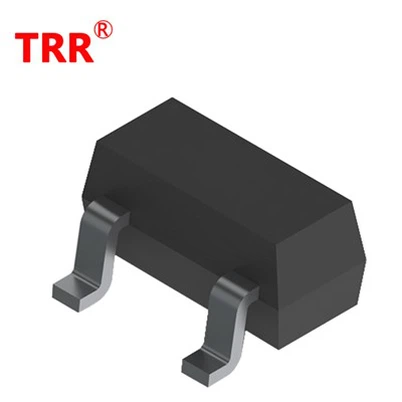
The replaceability of LED diodes mainly depends on their packaging form, installation environment, and specific application scenarios. Generally speaking, LED diodes can be divided into two categories: surface mount (SMD) and plug-in. Surface mount LEDs are commonly used in small electronic devices such as smartphones, tablets, etc., and their replacement is difficult, usually requiring professional equipment and technology. Plug in LEDs are commonly used for lighting fixtures, indicator lights, etc., and are relatively easy to replace.
2, Steps for replacing LED diodes
Replacing LED diodes usually involves the following steps:
Power outage and disassembly: Firstly, ensure that the power supply is completely disconnected to avoid the risk of electric shock. Then, according to the installation method of the LED (such as screw fixation, buckle fixation, etc.), use appropriate tools to remove it from the circuit.
Identification and matching: The disassembled LED diode needs to be carefully identified for its model, specifications, color, and other parameters in order to purchase a replacement that matches it. When purchasing replacement LEDs, priority should be given to selecting models that are the same or compatible with the original LED to ensure optimal performance and compatibility.
Installation and testing: Install the new LED diode back into the circuit in the original way, paying attention to maintaining the correct polarity (positive and negative). After installation, reconnect the power and test whether the LED lights up normally and works in coordination with other circuit components.
3, Precautions for replacing LED diodes
When replacing LED diodes, the following points should be noted:
Safety first: Before disassembling and replacing LED diodes, be sure to completely disconnect the power supply and use insulated tools to prevent electric shock.
Accurate matching: When purchasing replacement LEDs, ensure that they match the model, specifications, color, and other parameters of the original LED to avoid performance degradation or compatibility issues.
Heat dissipation considerations: LEDs generate heat during operation, and poor heat dissipation may lead to a decrease in LED performance or even damage. Therefore, when replacing the LED, it is necessary to check whether the heat dissipation system is intact and ensure that the new LED can dissipate heat well.
Professional guidance: For non professionals, replacing LED diodes may pose certain challenges. Therefore, it is best to consult relevant technical documentation or seek guidance from professionals before making a replacement.
4, Challenges and Solutions in Practical Applications
In practical applications, replacing LED diodes may encounter some challenges, such as:
Space limitations: In some small electronic devices, the installation space for LED diodes is very limited, which makes replacement difficult. At this point, alternative options such as micro LEDs or flexible LED strips can be considered to accommodate smaller installation spaces.
Welding difficulty: For surface mount LEDs, the welding process may be complex and require professional welding equipment and skills. If conditions permit, it may be considered to send the equipment to a professional repair center for replacement.
Cost considerations: In some cases, the cost of replacing LED diodes may be higher, especially when it comes to high-end electronic devices or large lighting systems. At this point, the relationship between replacement cost and the overall value of the equipment can be balanced to decide whether to proceed with the replacement.
https://www.trrsemicon.com/diode/surface-mount-fast-recovery-rectifiers.html