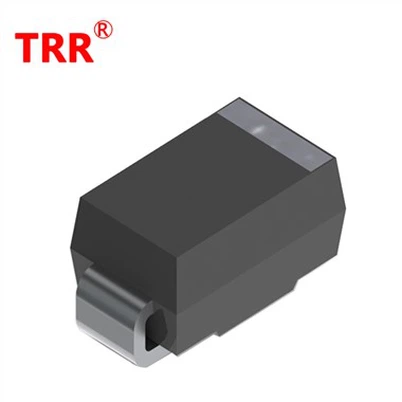
TRR:Advanced Resistor Materials Drive Technological Progress
Leave a message
The Evolution of Resistance Materials
The basic function of a resistor is to limit the flow of current and divide the voltage to ensure the normal operation of the circuit. Traditional resistors are usually made of materials such as carbon film, metal film, and wire winding, which each have their own advantages and disadvantages and can meet different application needs. However, with the development of electronic devices towards miniaturization, high density, and high performance, traditional materials are gradually showing performance bottlenecks and are unable to meet the needs of emerging applications.
type
High conductivity material: Graphene, as an emerging carbon material, has attracted widespread attention due to its excellent conductivity and mechanical strength. Graphene resistors not only provide better performance in a smaller volume, but also have better heat dissipation performance, making them suitable for high-frequency and high-power applications.
Nanomaterials: The application of nano metal materials such as nano silver and nano copper in resistors can significantly improve their performance due to their extremely high conductivity and thermal conductivity. In addition, nanomaterials also have excellent processability and can be widely used in microelectronics and flexible electronic devices.
Composite materials: By combining metals with ceramics or polymer materials, the high temperature and corrosion resistance of resistors can be significantly improved. For example, metal oxide resistors use metal oxide materials that have excellent thermal stability and oxidation resistance, making them suitable for applications in harsh environments.
Application in various fields
Consumer electronics products: Portable devices such as smartphones and tablets have increasingly high requirements for electronic components. The use of advanced resistance materials in resistors can effectively reduce component volume, improve equipment performance, and extend battery life.
Automotive electronics: Modern cars integrate a large number of electronic control systems, such as engine management systems, driving assistance systems, etc. The application of advanced resistive materials can improve the reliability and durability of these systems, enhance the overall performance and safety of automobiles.
Industrial automation: Industrial automation equipment requires electronic components to have high reliability and long lifespan. Resistors made of advanced resistance materials can work stably in harsh environments such as high temperature and high humidity, meeting the needs of industrial production.
Medical equipment: In medical equipment, the performance of electronic components directly affects the accuracy of diagnosis and treatment. The application of advanced resistive materials can improve the measurement accuracy and stability of equipment, providing support for the advancement of medical technology.
Challenges in research and production
Although advanced resistive materials have shown great potential in various fields, they still face many challenges in their research and production processes. Firstly, the high cost of new materials restricts their large-scale application. Secondly, the stability and consistency of the material still need to be further improved to meet the strict requirements of high-end applications. In addition, environmental protection and sustainability issues are also important aspects that need attention. How to achieve green production while ensuring performance is the key to future development.
Future prospects
Looking ahead to the future, with the continuous advancement of materials science, more high-performance resistive materials will be developed, bringing new opportunities to the electronics industry. Advanced resistive materials such as graphene, nanomaterials, and composite materials will be applied in a wider range of fields, driving the continuous improvement of the performance of various electronic devices.
In addition, with the rapid development of emerging technologies such as artificial intelligence, the Internet of Things, and 5G communication, the demand for electronic components will continue to grow. The application of advanced resistive materials will provide a solid foundation for the realization of these technologies, promoting technological progress and industrial upgrading.
In this era full of opportunities and challenges, research and application will become important forces driving technological progress. Through continuous exploration and innovation, we have reason to believe that the future electronic world will be smarter, more efficient, and sustainable, bringing more convenience and surprises to human life.