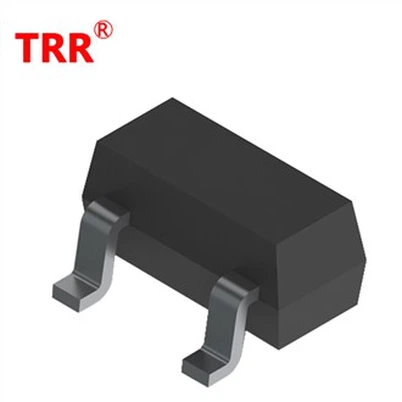
Research on the application of diodes in electric toothbrushes
Leave a message
1, Basic principles and characteristics of diodes
A diode is a semiconductor device with two electrodes (anode and cathode) and a PN junction. When the diode is forward biased (i.e. the anode is connected to a positive voltage and the cathode is connected to a negative voltage), the PN junction is broken and the current can pass smoothly; When the diode is reverse biased, the PN junction is in a high resistance state, and the current is almost zero. This unidirectional conductivity is the most prominent feature of diodes and the basis for their widespread application in circuits.
2, Application scenarios of diodes in electric toothbrushes
rectifier circuit
Electric toothbrushes are usually powered by direct current, while household power sources are mostly alternating current. Therefore, in the charger of an electric toothbrush, diodes are used as rectifiers to convert the input AC power into DC power. During this process, the diode utilizes its unidirectional conductivity to allow current to flow only in one direction, thereby achieving the conversion from AC to DC. The rectified DC power is then processed by a filtering circuit and a voltage stabilizing circuit to provide a stable and safe power source for the electric toothbrush.
Switch Circuit
In the motor control circuit of electric toothbrushes, diodes are often used as switching elements. When the control signal arrives, the diode conducts and the motor starts working; When the control signal disappears, the diode cuts off and the motor stops working. This fast switching action allows the electric toothbrush to adjust the motor speed and vibration mode according to different cleaning needs, thereby achieving better cleaning results.
Protection circuit
In the circuit of an electric toothbrush, diodes also play a protective role. When abnormal situations such as overvoltage and overcurrent occur in the circuit, diodes can quickly respond and bypass the abnormal current in the circuit, thereby protecting other electronic components from damage. This protective function is of great significance for improving the reliability and safety of electric toothbrushes.
Signal detection and feedback
In the intelligent control system of electric toothbrushes, diodes can also be used for signal detection and feedback. For example, by detecting the current or voltage changes of the motor through diodes, the working status of the motor can be monitored in real time, and control strategies can be adjusted based on feedback signals. This intelligent control enables electric toothbrushes to automatically adjust cleaning modes and intensity based on the user's oral condition and usage habits, providing a more personalized oral care experience.
3, The influence of diodes on the performance of electric toothbrushes
Improve energy efficiency
The application of diodes in rectifier circuits enables electric toothbrushes to efficiently convert alternating current into direct current, reducing energy loss during the conversion process. Meanwhile, in the motor control circuit, the rapid switching action of diodes enables the motor to achieve optimal cleaning results with minimal energy consumption. These measures collectively improve the energy efficiency of electric toothbrushes and extend the lifespan of batteries.
Enhance stability
The application of diodes in protection circuits enables electric toothbrushes to quickly respond to abnormal situations such as overvoltage and overcurrent, protecting the circuit from damage. This protective function enhances the stability of the electric toothbrush, improves its anti-interference ability, and enables the electric toothbrush to maintain stable performance even in complex usage environments.
Enhance the level of intelligence
The application of diodes in signal detection and feedback enables electric toothbrushes to monitor the working status of motors in real time and adjust control strategies based on feedback signals. This intelligent control not only improves the cleaning effect of electric toothbrushes, but also enables them to automatically adjust the cleaning mode and intensity according to different usage scenarios and user needs. This intelligent control strategy enhances the user experience of electric toothbrushes and meets users' needs for personalized oral care.
4, The development trend of diodes in electric toothbrushes
With the continuous development of the electric toothbrush market and the increasing demand from users, the application of diodes in electric toothbrushes will also show the following development trends:
high-performance
With the continuous advancement of semiconductor technology, the performance of diodes will continue to improve. Future diodes will have lower power consumption, higher switching speed, and stronger anti-interference ability, further enhancing the performance and reliability of electric toothbrushes.
miniaturization
With the trend of lightweighting and miniaturization of electric toothbrushes, diodes will also develop towards smaller sizes and higher integration. This will help reduce the volume and weight of electric toothbrushes, and improve the convenience of carrying and using them for users.
Intelligent
Future electric toothbrushes will pay more attention to intelligent control. As a key component for signal detection and feedback, diodes will play a more important role in intelligent control systems. By collaborating with other intelligent components, diodes will help electric toothbrushes achieve a more precise and personalized oral care experience.
https://www.trrsemicon.com/diode/smd-diode/gs1010fl-datasheet.html