How to test transistors without a multimeter?
Leave a message
1, Utilize visual and tactile inspection
Firstly, we can start with the most basic checks: visual and tactile checks. Although this cannot directly measure the electrical performance of transistors, it can help us identify some obvious physical defects.
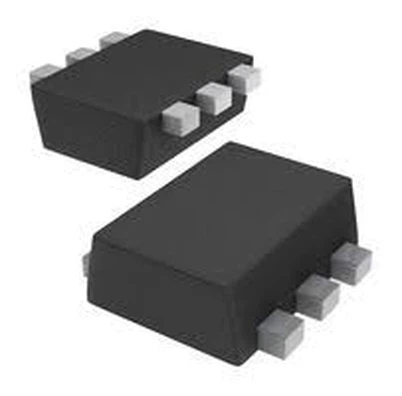
Visual inspection: Carefully observe the appearance of the transistor and check for cracks, broken pins, corrosion, or discoloration. These signs often indicate that the transistor has been damaged or is about to fail.
Tactile inspection: Gently shake the transistor to feel if there is any looseness or abnormal noise inside. This helps to identify issues such as poor welding or detachment of internal components.
2, Constructing test circuits using alternative components
Without a multimeter, we can try using other known and functional electronic components to construct a simple test circuit and indirectly judge the performance of the transistor by observing the circuit's performance.
Constructing a common emitter amplifier circuit: Using components such as resistors, capacitors, power supplies, and LEDs, a transistor based common emitter amplifier circuit is constructed. Connect the transistor under test as an amplifying element to the circuit and observe the brightness changes of the LED. If the brightness of LED can significantly change with the change of input signal, it can be preliminarily judged that the transistor has amplification function.
Comparison method: If there are multiple transistors of the same model, one of them can be used as a reference, and the tested transistor and the reference transistor can be connected to the same test circuit separately to compare their performance. If the performance of the transistor under test is similar to that of the reference transistor, it can be considered normal.
3, Using natural phenomena or simple tools for testing
Without professional instruments, we can still use natural phenomena or some simple tools for testing.
Thermal effect test: Transistors generate a certain amount of heat during operation. We can connect the transistor under test to a simple circuit and gently touch its casing or heat sink (if any) with our hands. If there is a noticeable temperature change, it can be preliminarily judged that the transistor is working. However, it should be noted that this method can only determine whether the transistor is working, and cannot accurately evaluate its performance.
Sound testing: In some cases, we can use the characteristics of transistors as audio amplifiers for testing. Connect the transistor under test to a simple audio amplifier circuit and connect a small speaker or earphone as a load. Then, input audio signals into the circuit (such as playing music on a mobile phone and connecting it to the circuit), and observe the sound output of the speaker or headphones. If the sound is clear, the volume is moderate, and there is no noise, then it can be preliminarily judged that the transistor performs well in audio amplification.
4, Notes and Summary
Testing transistors without a multimeter is a challenging task. We need to fully unleash our creativity and utilize the resources around us to build a testing environment. However, it should be noted that these non-traditional testing methods often only provide preliminary and qualitative judgment results, and cannot provide accurate and quantitative measurement data like multimeters. Therefore, if conditions permit, we should still try to use professional testing instruments to evaluate the performance of transistors.
https://www.trrsemicon.com/transistor/isc-thyristors-bt169gw.html